

In recent years, the financial landscape has dramatically shifted with the rise of digital banks and Fintechs in the USA. Choosing between traditional banking services and these modern alternatives can be perplexing, especially when it comes to selecting the best option for your checking account.
In this article, we will explore the pros and cons of both digital banks and Fintechs, helping you make an informed decision. With the financial market teeming with numerous options, understanding the fundamental differences between digital banks and Fintechs is crucial.
Traditional banks are often associated with physical branches, whereas digital options focus on online services. But which of these modern banking solutions is better suited for your needs, and what factors should you consider? We will delve deeper into the operational models, benefits, and potential drawbacks of these digital solutions, guiding you in finding the perfect fit for your financial life.
Understanding Digital Banks
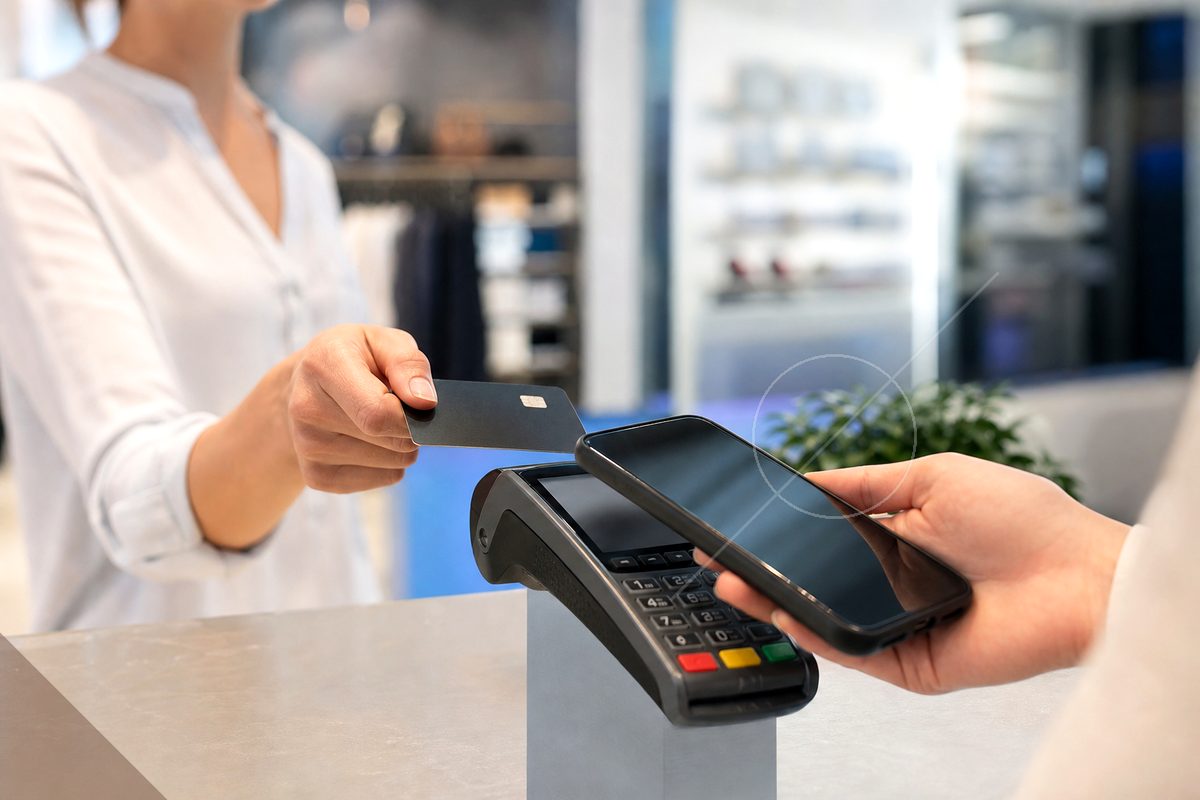
Digital banks, also known as online-only banks, operate entirely online without physical branches. These institutions offer a range of banking services through their apps and websites, aiming to provide seamless and convenient financial management. Popular digital banks in the USA include Chime, Ally Bank, and Simple.
One of the main advantages of digital banks is the lower fees. Without the overhead costs of maintaining physical branches, they can provide free checking accounts, higher interest rates on savings, and reduced transaction fees. Additionally, digital banks often boast user-friendly interfaces and 24/7 customer support via chat or phone.
However, digital banks do come with some downsides. Limited access to cash deposits and the lack of in-person banking services can be drawbacks for certain customers. Despite these limitations, the continuous advancements in digital banking technology are gradually bridging these gaps.
The Fintech Revolution
Financial technology companies, or Fintechs, are redefining the way we handle money. Fintechs like Robinhood, PayPal, and Square offer unique services and products that aim to simplify financial transactions and provide new opportunities for users. These companies often focus on niche markets and innovative solutions.
Fintechs leverage advanced technology to deliver personalized financial services. For instance, budgeting apps, investment platforms, and peer-to-peer payment systems are a few areas where Fintechs excel. Enhanced user experience is a significant benefit, as many Fintechs prioritize intuitive design and ease of use.
However, there are potential downsides to consider. Fintechs may lack the regulatory protections that traditional banks provide, leading to potential security and reliability concerns. Additionally, not all Fintechs offer comprehensive banking services, which can be a limitation for some customers.
Comparing Digital Banks and Fintechs for Your Checking Account
When deciding between digital banks and Fintechs for your checking account, various factors come into play. Evaluating aspects like fees, accessibility, customer support, and additional services is vital in making the right choice.
Digital banks often offer more comprehensive banking services, including checking and savings accounts, loans, and credit cards. Their lower fees and higher interest rates on deposits can provide significant benefits over traditional banks. However, the lack of physical branches might not suit those who prefer in-person banking experiences.
On the other hand, Fintechs specialize in specific services like investment platforms or payment solutions. Their innovative approaches can offer unique advantages, such as cutting-edge budgeting tools or seamless investment opportunities. Nevertheless, they might not cover all your banking needs, requiring additional accounts elsewhere.
Fee Structure and Interest Rates
One of the most compelling reasons to choose digital banks or Fintechs is their competitive fee structures. Digital banks typically offer zero-fee checking accounts, eliminating common fees like monthly maintenance and minimum balance requirements. This can lead to significant savings over time.
Additionally, digital banks often provide higher interest rates on savings accounts, allowing your money to grow faster compared to traditional banks. Fintechs, while focused on niche services, might offer competitive rates and reduced transaction costs for their specialized offerings.
It’s essential to compare the specific fee structures and interest rates offered by various digital banks and Fintechs to determine which one aligns best with your financial strategies and goals.
Accessibility and Customer Support
The convenience of accessing your account through mobile apps or websites is a significant advantage of both digital banks and Fintechs. Both options focus on providing seamless online experiences with 24/7 accessibility, allowing you to manage your finances on the go.
Customer support is another crucial factor. Digital banks usually offer robust customer service through various channels, including chat, email, and phone support. Fintechs, while also prioritizing user experience, might offer varying levels of customer service depending on their focus and resources.
Ultimately, evaluating the quality and availability of customer support can play a pivotal role in deciding which option is best suited for your checking account needs. In conclusion, both digital banks and Fintechs come with distinct advantages and potential limitations.
Digital banks might offer more comprehensive and cost-effective banking solutions, whereas Fintechs can provide innovative and specialized services. By carefully considering your financial needs, preferences, and goals, you can choose the best option for your checking account in the USA.