

Building a solid credit history in the United States can seem daunting, but credit cards can be your best friends. Understanding the nuances and benefits of these financial tools is essential for a beginner. Here, we’ll guide you through using credit cards to help establish and improve your credit score.
Many people in the U.S. rely on credit cards to build and maintain their credit. From choosing the right card to understanding interest rates and managing your spending, there are several key factors that you need to consider. Let’s explore how these elements come together to benefit your financial health.
How to start with credit cards
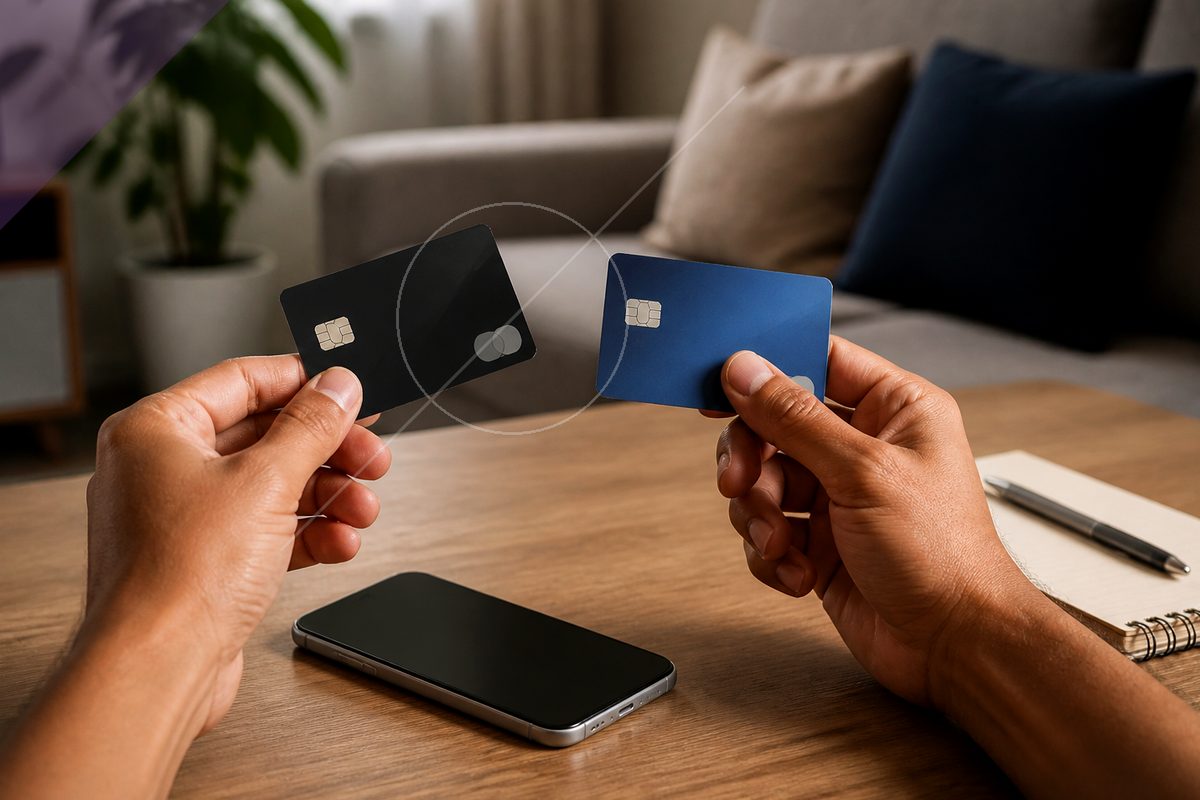
Embarking on your journey to credit building, the first step is to choose the right card. For beginners, it’s wise to look for cards that do not demand an extensive credit history. Secured credit cards are a great option.
These types of cards require a security deposit, which acts as collateral and often is equal to your credit limit. This reduces the risk for the issuer, making it easier for you to qualify. They are especially beneficial for individuals with no prior credit history.
Once you get a secured card, it’s important to use it responsibly. Make small purchases and pay off the balance each month. By doing so, you demonstrate your reliability as a borrower, which will positively affect your credit score over time.
Student credit cards
For young adults and college students, student credit cards are an excellent option. They are designed to be beginner-friendly with lower interest rates and fewer fees. These cards often come with rewards tailored to students, such as cashback on textbooks or dining.
To qualify for a student card, you typically need to be enrolled in an educational institution. While your lack of credit history won’t disqualify you, having a co-signer might increase your chances of approval. This can be a parent or guardian who has a good credit history.
Using a student credit card wisely can set you up for financial success post-graduation. Ensure you pay your balance on time and keep track of your spending. Building good habits early on will help you as you transition to other types of credit cards later.
Retail credit cards
Another option for beginners is retail credit cards. These are offered by stores and are typically easier to get approved for, making them an ideal first credit card. They also often come with enticing perks such as discounts and rewards on purchases.
While retail cards can be a good starting point, they usually have higher interest rates than traditional cards. It’s crucial to avoid carrying a balance from month to month to prevent costly interest charges. Pay off your purchases promptly to keep your credit utilization low.
Additionally, be mindful of applying for too many cards at once. Each application results in a hard inquiry on your credit report, which can temporarily lower your score. Choose wisely and focus on managing one or two cards effectively.
Managing your credit card
Managing your credit card involves more than just making timely payments. Understanding your credit utilization ratio is key. This ratio compares the amount of credit used to your total credit limit. Ideally, you want to keep it below 30% to maintain a healthy credit score.
Another crucial aspect is reading your credit card statement carefully each month. Look for any discrepancies or unauthorized charges and report them immediately. Staying vigilant helps protect you against fraud and identity theft.
Lastly, know your card’s interest rate, also known as the Annual Percentage Rate (APR). If you must carry a balance, being aware of the APR can help you avoid costly interest payments. Make it a habit to pay more than the minimum due each month to reduce the balance faster.
Setting up payment reminders
One of the easiest ways to stay on top of your credit card payments is by setting up payment reminders. Most banks and card issuers offer options to receive reminders via email, text, or push notifications. You can also set up automatic payments to ensure you never miss a due date.
Consistently making on-time payments is one of the most significant factors in building and maintaining a good credit score. It shows that you are a responsible borrower, and lenders are more likely to trust you with additional credit in the future.
Monitoring your credit report
Regularly checking your credit report is crucial for monitoring your progress and catching any errors. In the U.S., you are entitled to a free credit report from each of the three major credit bureaus—Equifax, Experian, and TransUnion—every 12 months through AnnualCreditReport.com.
Review your report to ensure all information is accurate and up-to-date. If you spot any inaccuracies, dispute them immediately with the credit bureau. Correcting errors can result in a better credit score.
Monitoring your credit report also helps guard against identity theft. It allows you to detect any suspicious activity early and take corrective measures to protect your financial information.