

The digital economy is revolutionizing various sectors of society, and one of the most significantly impacted areas is the personal credit market in the United States. The integration of advanced technologies, such as artificial intelligence, blockchain, and big data analytics, has transformed how consumers access credit and how lenders assess risk.
Traditional banking models are evolving, giving rise to fintech companies and online lending platforms that offer faster, more personalized financial solutions. In this blog post, we’ll explore how these technological advancements are reshaping the personal credit landscape, highlighting their benefits, challenges, and implications for both lenders and borrowers.
The evolution of personal credit in the digital age
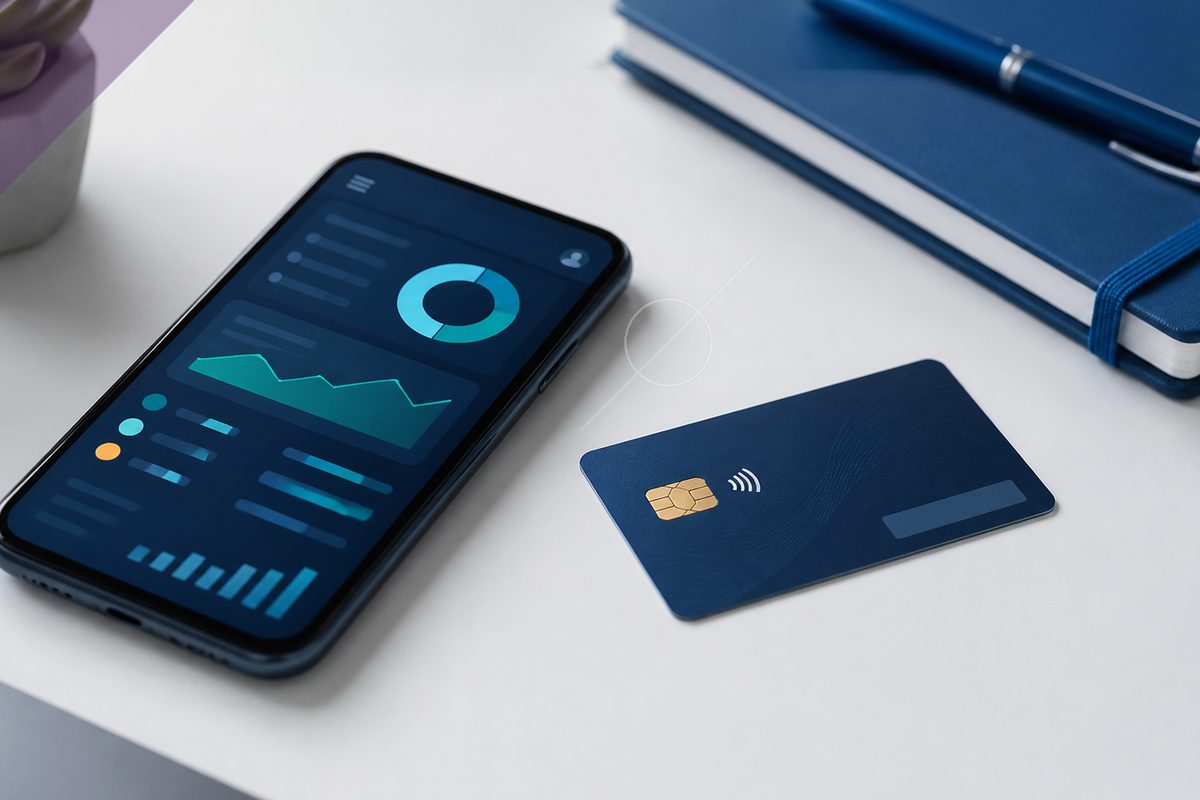
The advent of the digital economy has brought significant changes to the personal credit market. One of the most striking shifts is the move towards online and mobile platforms, which offer consumers more convenience and quicker access to loans. Traditional financial institutions, while still relevant, are no longer the sole players in this arena.
Fintech companies have emerged, providing innovative solutions that cater to a tech-savvy clientele. This evolution has made borrowing more accessible to a broader audience, including those who were previously underserved. As digital platforms continue to advance, the speed, and efficiency of obtaining credit are expected to improve even further.
The impact on credit accessibility
The rise of financial technology has dramatically improved credit accessibility for many Americans. Historically, obtaining a loan required navigating complex processes and extensive paperwork. Now, with a few clicks on a smartphone, consumers can apply for, and often receive, loans almost instantaneously.
This ease of access is particularly advantageous for individuals who live in rural areas or lack proximity to traditional bank branches. Furthermore, digital platforms often facilitate greater transparency in the lending process, providing consumers with a clearer understanding of loan terms and conditions upfront.
For younger generations and tech-savvy consumers, digital lending platforms align with their preference for quick and efficient online transactions. These platforms often use advanced technology such as AI and machine learning to streamline the application process, making it less cumbersome and more user-friendly.
The role of security and privacy
As personal credit becomes increasingly digital, concerns around security and privacy gain prominence. Consumers are entrusting their financial and personal data to these platforms, which necessitates robust security measures. Any breach could result in severe financial and reputational damage. Therefore, fintech companies are investing heavily in advanced security technologies to ensure data protection.
Encryption, multi-factor authentication, and AI-driven fraud detection systems are just a few examples of the measures being adopted. These technologies help safeguard personal information, but users must also be vigilant about their online activities. Regularly updating passwords and monitoring personal accounts for unauthorized activity are essential steps individuals can take to protect themselves.
The future of personal lending in a digital landscape
The trajectory of personal lending in the digital economy points towards further innovation and integration of emerging technologies. As artificial intelligence and machine learning grow more sophisticated, they will play an even larger role in personal credit assessments.
These technologies promise to enhance accuracy in risk evaluation, potentially leading to more personalized loan offerings and better terms for borrowers. Blockchain technology also presents an intriguing future for personal lending.
Its application could revolutionize loan processing by offering increased transparency, reducing fraud, and enabling smart contracts that automatically enforce loan agreements under pre-specified conditions. Although still in its early stages, blockchain has the potential to drastically alter the dynamics of lending.
Challenges and solutions
Despite the promising advancements, the shift towards digitalization in the personal credit market comes with challenges. Regulatory frameworks must adapt to the fast-paced changes brought on by financial technology. Ensuring compliance can be complex, with varying rules across states and the need for standardized practices to protect consumers.
Collaboration between regulators, traditional banks, and fintech companies is crucial to addressing these challenges. By working together, they can create a cohesive ecosystem that encourages innovation while safeguarding consumer interests. This collaboration can also foster the development of comprehensive guidelines that consider the unique elements of digital lending.
Embracing the transformation
The integration of digital solutions within the personal credit market is a testament to the power of technology in reshaping industries. As consumers and institutions alike adapt to this new reality, the focus must be on harnessing technology responsibly and ethically.
By embracing this transformation, stakeholders have the opportunity to create a more efficient, transparent, and accessible credit system. The key lies in fostering collaboration amongst industry players, policymakers, and consumers to craft a future where technological advancement goes hand in hand with financial well-being.
The digital economy will undoubtedly continue to influence the personal credit market, ushering in changes that could redefine how credit is accessed and managed for generations to come. As we move forward, it is vital to remain committed to innovation while prioritizing consumer protection and financial education.