
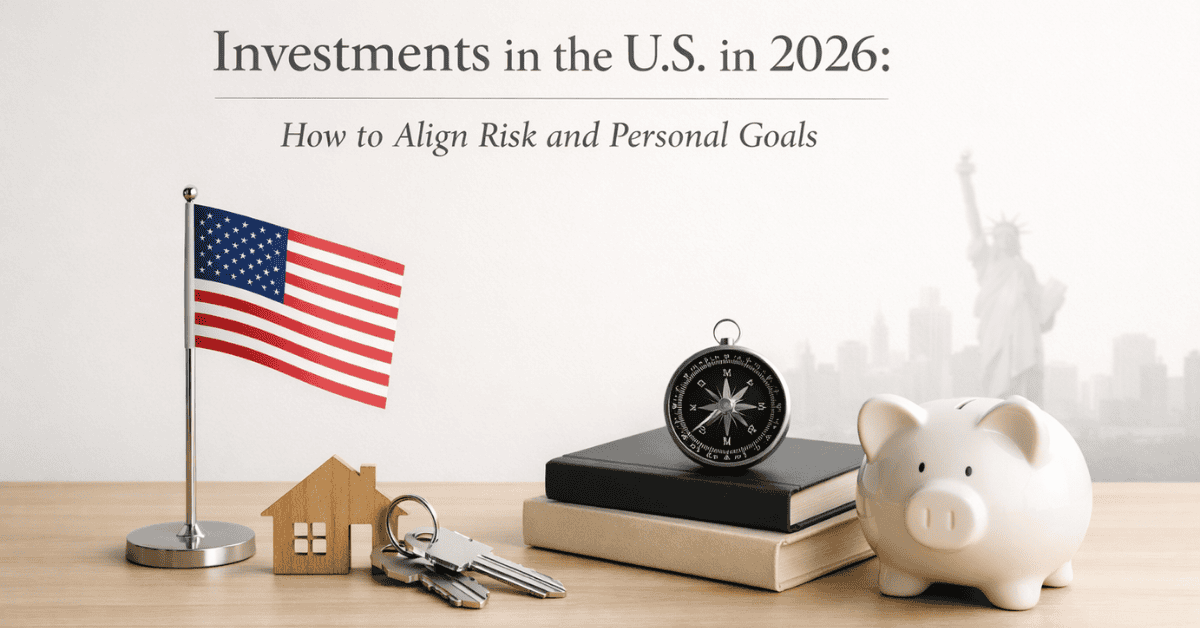
Investments can be a powerful tool to achieve financial growth and security. With 2026 on the horizon, understanding how to align risks with your personal goals is essential. The investment landscape is continually evolving, impacted by global events, technological advancements, and economic trends.
Identifying the right balance between potential returns and associated risks helps ensure that your financial actions align with your life objectives. As you strategize and plan, considering your time horizon and risk tolerance can pave the way to a brighter financial future.
Balancing risk and return in your investment strategy
Achieving an effective balance between risk and return is vital in formulating a sound investment strategy. Every investment bears some level of risk— from stable government bonds to volatile stocks. As you assess different opportunities, closely examine the volatility and potential rewards each option presents.
Consider diversifying your portfolio to spread risk while seeking various channels of growth. High-risk endeavors might offer lofty returns, but more conservative choices can provide stability, making it critical to live within your comfort zone and financial capability.
Setting realistic goals for financial growth
Having clearly defined goals aids decisively in choosing where to allocate resources. Without a clear vision, investments can become haphazard, leading to misaligned outcomes. It’s essential to articulate what you aspire to achieve, whether that’s saving for retirement, purchasing property, or funding education.
Break down these ambitions into short, medium, and long-term milestones. Regularly revisiting and adjusting these goals as your life circumstances and market conditions change can help maintain alignment with your financial targets. Establishing realistic expectations helps in managing both success and setbacks.
Adapting to economic shifts and concluding your investment plan
The final step in aligning investments with personal objectives involves staying flexible and informed. Economic conditions can shift rapidly, altering the performance of various asset classes. By staying adaptable, you can make informed decisions when recalibrating your portfolio.
Monitor market trends, global political climates, and technological innovations, understanding their impacts on your holdings. Encourage continuous education on financial topics and seek professional advice when necessary. Ultimately, a well-rounded investment plan requires regular evaluation and adjustment to ensure it aligns with your evolving personal and economic circumstances.
👉 Also read: Risk Management in U.S. Investments: Common Mistakes and How to Avoid Them